| Citation: | LI Dongli,LIU Xingyu,ZHANG Zhanrong,et al. Intelligent computing of rock mass rock quality designation based on deep learning and borehole image analysis[J]. Bulletin of Geological Science and Technology,2026,45(3):17-29 doi: 10.19509/j.cnki.dzkq.tb20250114

|
Rock quality designation (RQD) is widely recognized as a fundamental index in geotechnical engineering for evaluating rock mass integrity. It is extensively applied in rock mass classification systems and serves as a key input parameter for engineering rating systems. Conventionally, RQD determination relies on manual logging of recovered drill cores. However, this approach is labor-intensive, time-consuming, and highly sensitive to drilling techniques and core quality, making it difficult to obtain objective and reliable RQD values.
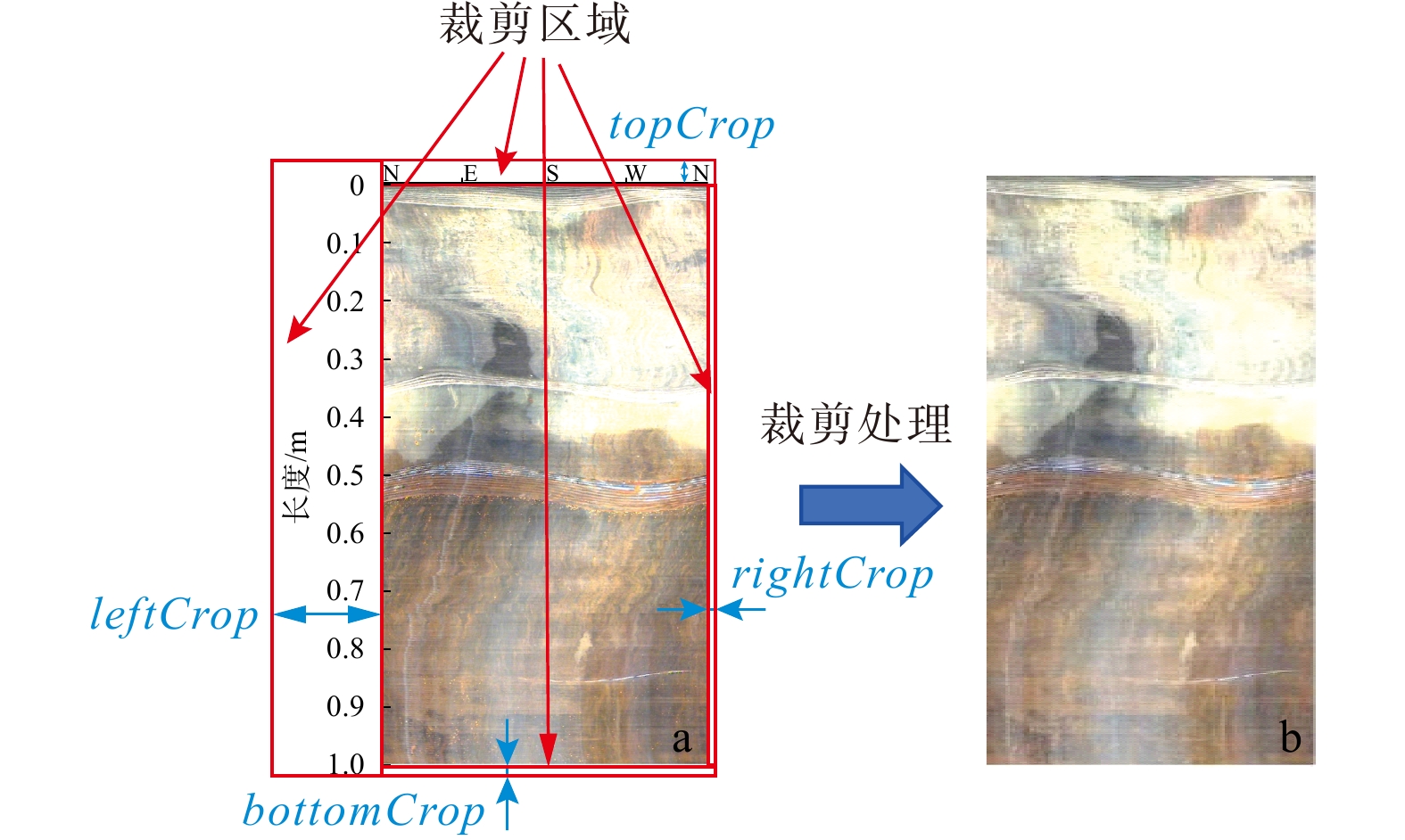
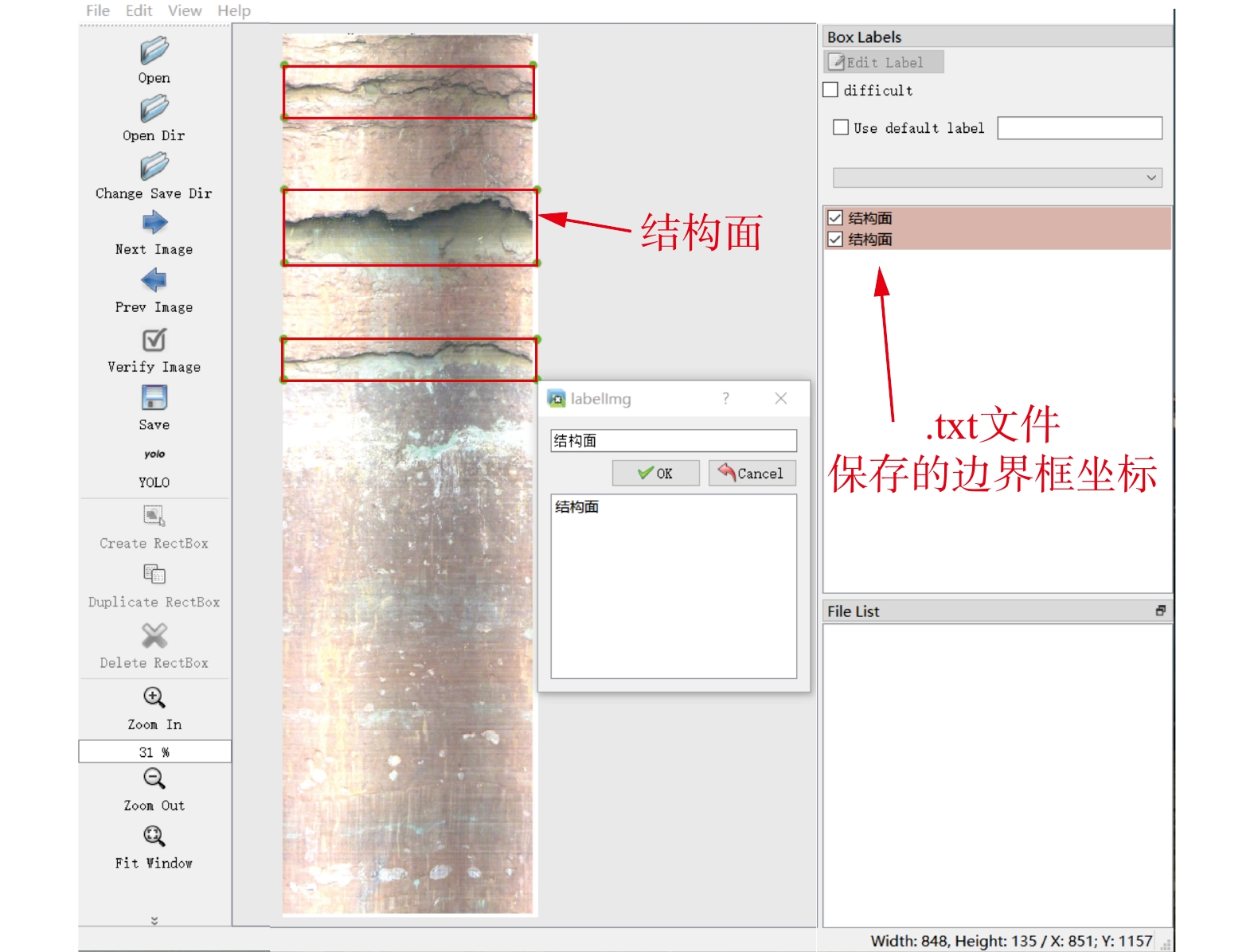
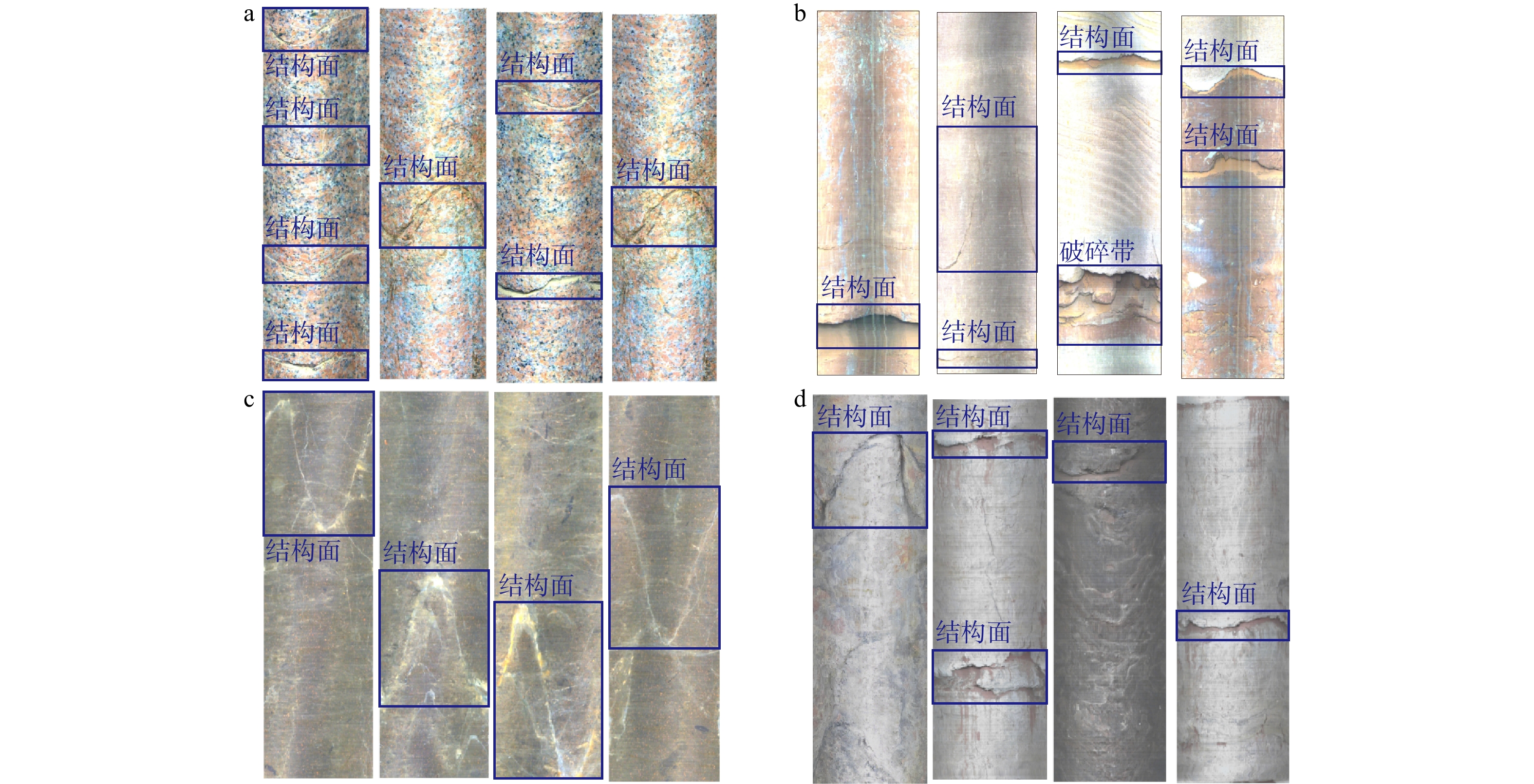
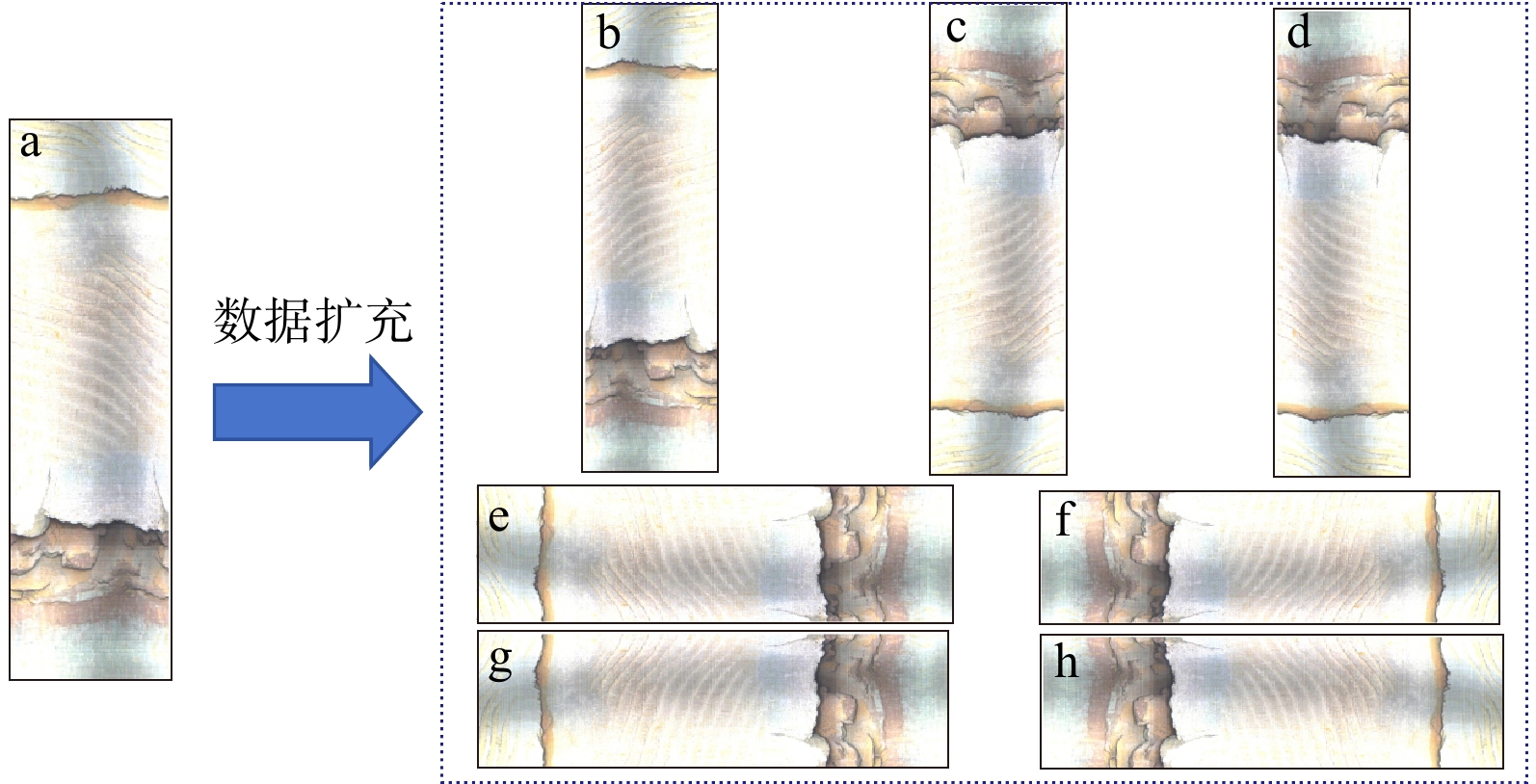
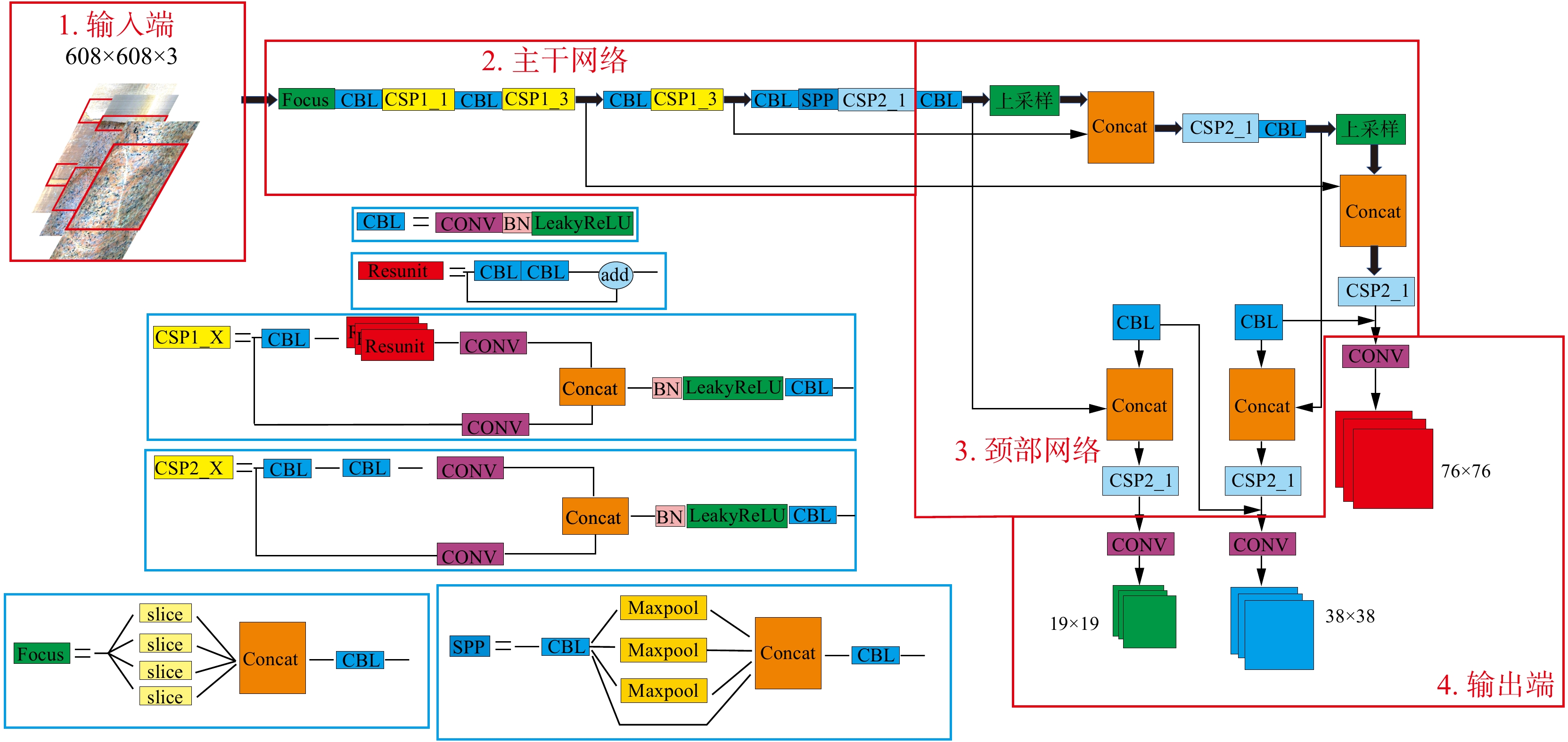
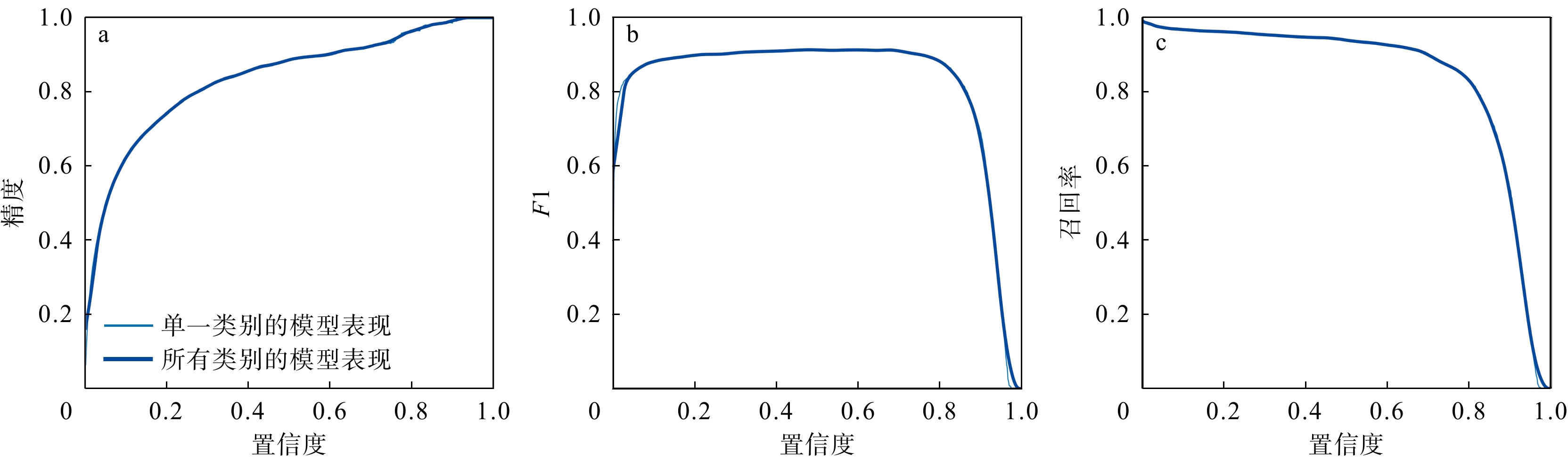
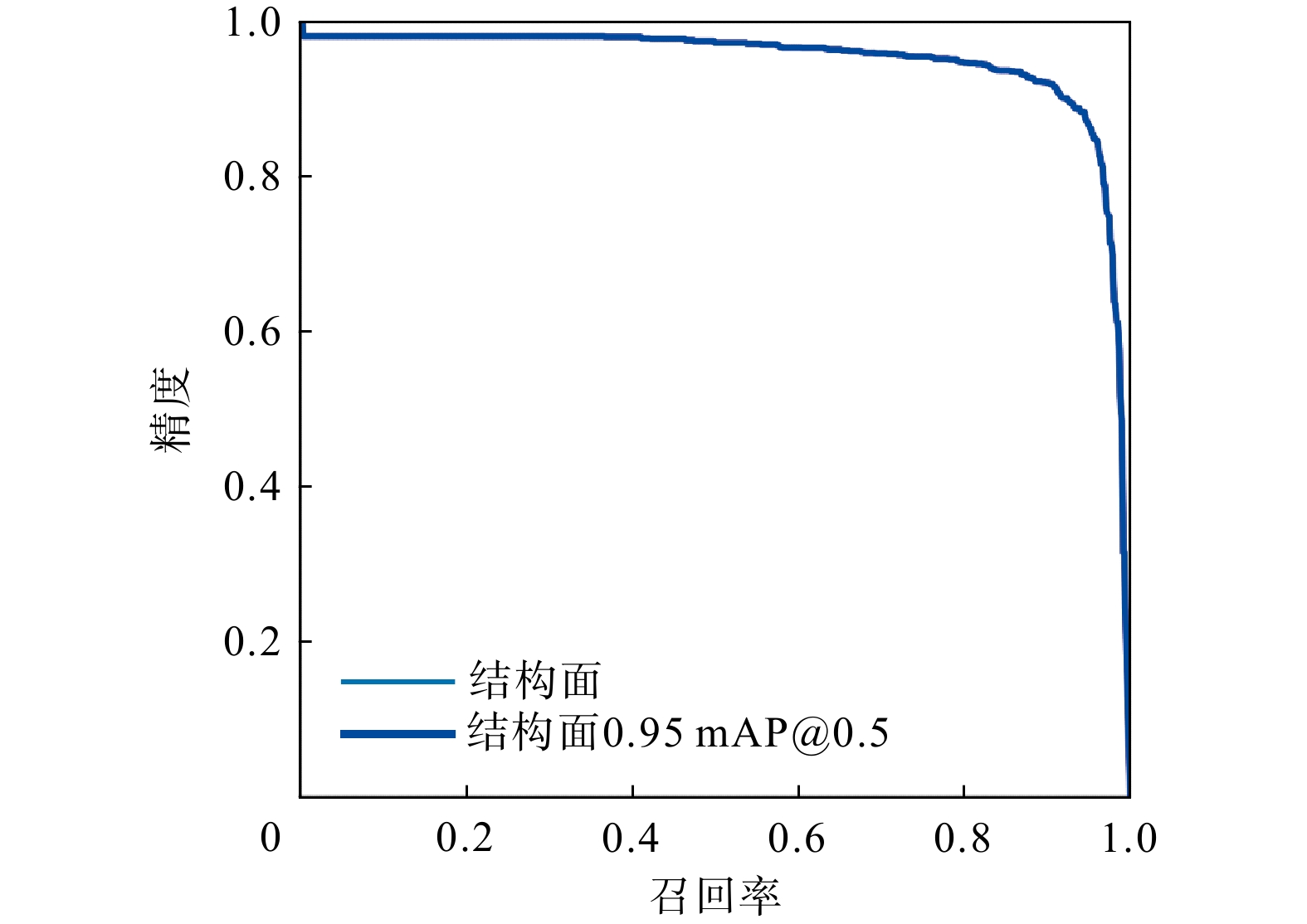
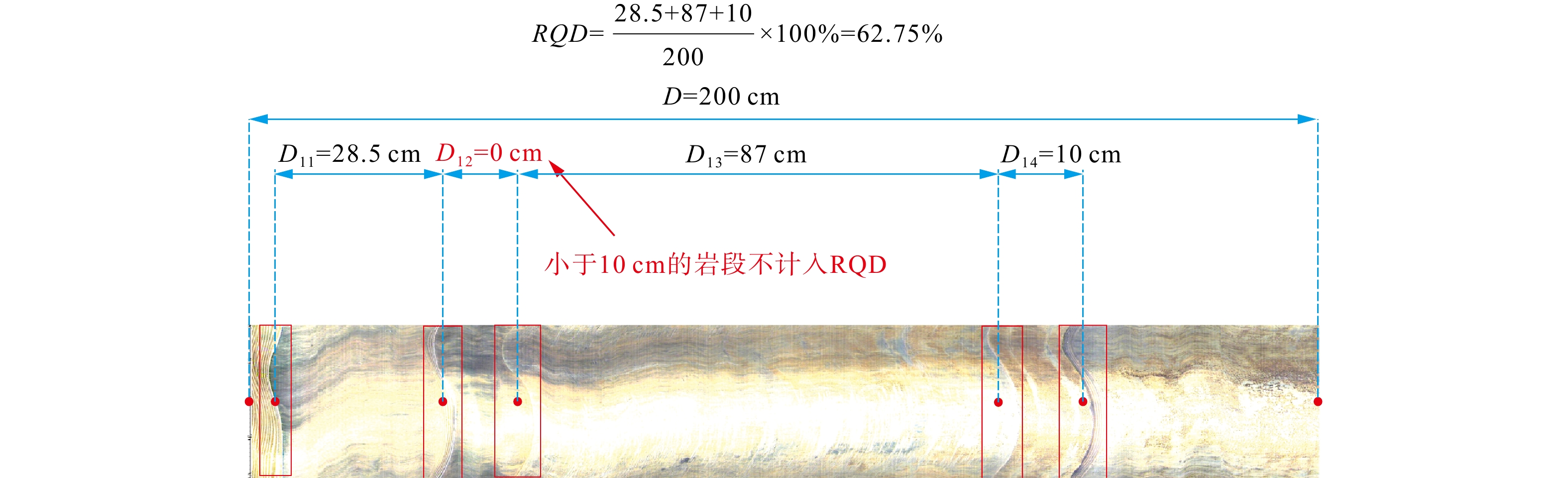
To address these challenges, this study proposed a novel, non-destructive approach based on the deep learning algorithm YOLOv5 (You Only Look Once, version 5) to detect and localize discontinuities directly from borehole televiewer images. It eliminated the disturbances and bias introduced during physical core extraction, enabling intelligent RQD computing. First, raw televiewer images were preprocessed, annotated, and augmented to build a representative dataset that highlighted natural fractures, bedding planes, and other geological discontinuities. Then, a YOLOv5 detector was trained on this dataset to recognize and segment discontinuities with high spatial accuracy. Finally, the model output was post-processed to compute RQD automatically by quantifying the proportion of intact rock segments exceeding the standard 10 cm threshold.
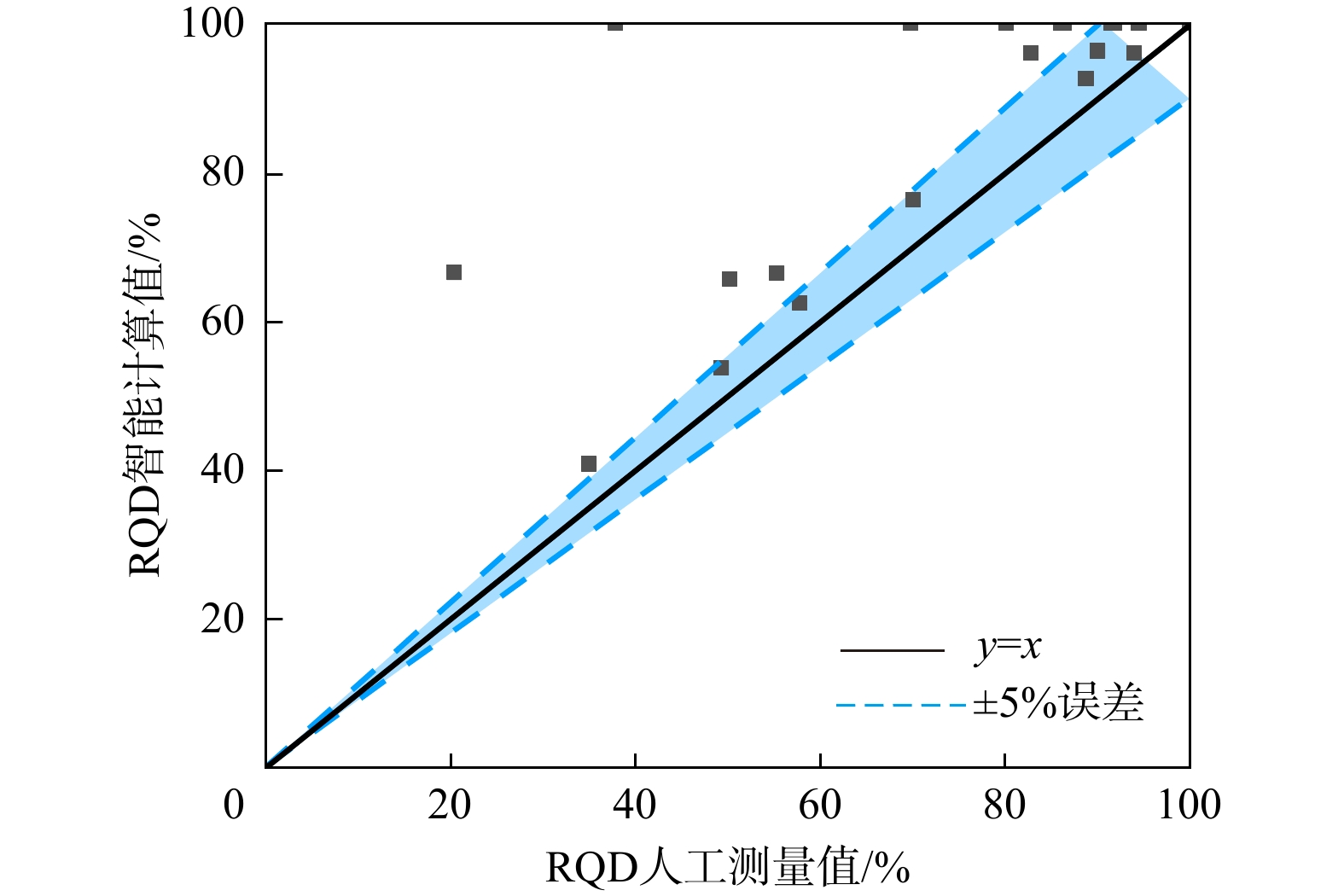
To assess the method's performance, a case study was conducted on borehole zk04, part of a tunnel project in Yongzhou City, Hunan Province, China. Intelligent RQD values derived from the televiewer images were compared with conventional RQD measurements obtained from core boxes in the field. The results indicated that the automated approach tended to overestimate RQD by around 20% relative to manual measurements, with a mean absolute error of 9.82%. Despite this systematic bias, the spatial trend of RQD variation identified by the intelligent method closely matched that of in-situ wave velocity profiles, suggesting that the technique accurately captured relative changes in rock mass properties along the borehole.
Overall, the proposed YOLOv5-based workflow effectively reduces the influence of drilling-induced biases and core extraction artifacts on RQD estimation. By enabling rapid, repeatable, and objective computation of RQD directly from borehole images, the method enhances both efficiency and reliability of rock quality assessment. Future work will explore calibration strategies to correct systematic deviations and integrate complementary geophysical datasets. This approach demonstrates significant potential to digitalize geotechnical investigation processes, streamline tunnel engineering workflows, and advance rock mass characterization in a more robust and data-driven manner.

| [1] |
韩振华, 张路青, 袁广祥. 基于BQ系统的阿拉善巴彦诺日公NRG01号钻孔岩体质量评价[J]. 工程地质学报, 2019, 27(6): 1208-1215. doi: 10.13544/j.cnki.jeg.2017-183
HAN Z H, ZHANG L Q, YUAN G X. Rock mass quality assessment of borehole NRG01 in Bayannuorigong Alxa based on BQ-system[J]. Journal of Engineering Geology, 2019, 27(6): 1208-1215. (in Chinese with English abstract doi: 10.13544/j.cnki.jeg.2017-183
|
| [2] |
BARTON N, LIEN R, LUNDE J. Engineering classification of rock masses for the design of tunnel support[J]. Rock Mechanics, 1974, 6(4): 189-236. doi: 10.1007/BF01239496
|
| [3] |
DEERE D. The rock quality designation (RQD) index in practice[M]. West Conshohocken: ASTM International, 1988.
|
| [4] |
张国华, 姜晋云, 吕国磊, 等. 基于目标检测和图像分割的岩芯RQD自动生成算法[J]. 安全与环境工程, 2025, 32(1): 100-106. doi: 10.13578/j.cnki.issn.1671-1556.20231316
ZHANG G H, JIANG J Y, LYU G L, et al. Automatic computing algorithm for rock core RQD based on object detection and image segmentation[J]. Safety and Environmental Engineering, 2025, 32(1): 100-106. (in Chinese with English abstract doi: 10.13578/j.cnki.issn.1671-1556.20231316
|
| [5] |
CHEN J P, WANG Q, ZHAO H. Obtaining RQD of rock mass by sampling window method[J]. Chinese Journal of Rock Mechanics and Engineering, 2004, 23(9): 1491-1495.
|
| [6] |
ZHANG W, WANG Q, CHEN J P, et al. Determination of the optimal threshold and length measurements for RQD calculations[J]. International Journal of Rock Mechanics and Mining Sciences, 2012, 51: 1-12. doi: 10.1016/j.ijrmms.2012.02.005
|
| [7] |
李清波, 杜朋召. 基于边缘阈值分割的钻孔图像RQD自动分析方法研究[J]. 岩土工程学报, 2020, 42(11): 2153-2160.
LI Q B, DU P Z. Automatic RQD analysis method based on information recognition of borehole images[J]. Chinese Journal of Geotechnical Engineering, 2020, 42(11): 2153-2160. (in Chinese with English abstract
|
| [8] |
ADJISKI V, PANOV Z, POPOVSKI R, et al. Application of photogrammetry for determination of volumetric joint count as a measure for improved rock quality designation (RQD) index[J]. Sustainable Extraction and Processing of Raw Materials, 2021, 2(2): 12-21. doi: 10.58903/b15171911
|
| [9] |
LIU F Y, LIU Y H, YANG T H, et al. Meticulous evaluation of rock mass quality in mine engineering based on machine learning of core photos[J]. Chinese Journal of Geotechnical Engineering, 2021, 43(5): 968-974.
|
| [10] |
ZHANG Y, CHEN J Q, LI Y L, et al. Automatic estimation of RQD based on deep ensemble learning and fracture fitting[J]. Geoenergy Science and Engineering, 2023, 230: 212132. doi: 10.1016/j.geoen.2023.212132
|
| [11] |
FU D, SU C, LI X R. Automatic estimation of rock quality designation based on an improved YOLOv5[J]. Rock Mechanics and Rock Engineering, 2024, 57(4): 3043-3061.0. doi: 10.1007/s00603-023-03729-x
|
| [12] |
张航, 胡海瑞, 朱杰清, 等. 基于非接触测量楔形危岩体稳定性快速评价[J]. 地质科技通报, 2025, 44(2): 67-77.
ZHANG H, HU H R, ZHU J Q, et al. Rapid stability assessment of wedge-shaped dangerous rock mass based on non-contact measurement[J]. Bulletin of Geological Science and Technology, 2025, 44(2): 67-77. (in Chinese with English abstract
|
| [13] |
李长宏, 黄永亮, 沙鹏, 等. 基于裂隙网络模拟的岩体RQD测量参数确定[J]. 科技通报, 2022, 38(4): 63-69.
LI C H, HUANG Y L, SHA P, et al. Determination of measurement parameters for rock mass RQD based on fracture network simulation[J]. Bulletin of Science and Technology, 2022, 38(4): 63-69. (in Chinese with English abstract
|
| [14] |
葛云峰, 钟鹏, 唐辉明, 等. 基于钻孔图像的岩体结构面几何信息智能测量[J]. 岩土力学, 2019, 40(11): 4467-4476.
GE Y F, ZHONG P, TANG H M, et al. Intelligent measurement on geometric information of rock discontinuities based on borehole image[J]. Rock and Soil Mechanics, 2019, 40(11): 4467-4476. (in Chinese with English abstract
|
| [15] |
胡瀚. 基于数字近景摄影测量的岩体RQD获取[D]. 长春: 吉林大学, 2018.
HU H. Rock mass RQD acquisition based on digital close-range photogrammetry[D]. Changchun: Jilin University, 2018. (in Chinese with English abstract
|
| [16] |
GE Y F, DU B, TANG H M, et al. Rock joint detection from borehole imaging logs based on grey-level co-occurrence matrix and Canny edge detector[J]. Quarterly Journal of Engineering Geology and Hydrogeology, 2022, 55: qjegh2021-2016. doi: 10.1144/qjegh2021-016
|
| [17] |
李炜, 刘耕, 葛云峰, 等. 基于深度学习的钻孔图像岩体结构面识别[J]. 应用基础与工程科学学报, 2024, 32(3): 702-720.
LI W, LIU G, GE Y F, et al. Detection of rock discontinuities in borehole images based on a deep learning method[J]. Journal of Basic Science and Engineering, 2024, 32(3): 702-720. (in Chinese with English abstract
|
| [18] |
GE Y F, CHEN H Z, ZHAO B B, et al. A comparison of five methods in landslide susceptibility assessment: A case study from the 330 kV transmission line in Gansu region, China[J]. Environmental Earth Sciences, 2018, 77(19): 662. doi: 10.1007/s12665-018-7814-7
|
| [19] |
付浩辰, 白堂博, 许贵阳, 等. 基于改进YOLOv8的轨道板裂缝检测算法[J]. 北京交通大学学报, 2024, 48(6): 133-143.
FU H C, BAI T B, XU G Y, et al. Crack detection in track slabs based on an improved YOLOv8 algorithm[J]. Journal of Beijing Jiaotong University, 2024, 48(6): 133-143. (in Chinese with English abstract
|
| [20] |
张明振, 段江忠, 梁肇伟, 等. 基于改进YOLO-V5 算法的烟火检测方法[J]. 中国安全科学学报, 2024, 34(5): 155-161. doi: 10.16265/j.cnki.issn1003-3033.2024.05.1050
ZHANG M Z, DUAN J Z, LIANG Z W, et al. Firework detection method based on improved YOLO-V5 algorithm[J]. China Safety Science Journal, 2024, 34(5): 155-161. (in Chinese with English abstract doi: 10.16265/j.cnki.issn1003-3033.2024.05.1050
|
| [21] |
YU S H, WONG L N Y. A K-Net-based deep learning framework for automatic rock quality designation estimation[J]. Computer-Aided Civil and Infrastructure Engineering, 2025, 40(16): 2287-2303. doi: 10.1111/mice.13386
|
| [22] |
米增, 连哲. 面向通用目标检测的YOLO方法研究综述[J]. 计算机工程与应用, 2024, 60(21): 38-54.
MI Z, LIAN Z. Review of YOLO methods for universal object detection[J]. Computer Engineering and Applications, 2024, 60(21): 38-54. (in Chinese with English abstract
|
| [23] |
霍俊杰, 黄润秋, 董秀军, 等. 3D激光扫描与岩体结构精细测量方法比较研究: 以锦屏Ⅰ级水电站为例[J]. 湖南科技大学学报(自然科学版), 2011, 26(3): 39-44.
HUO J J, HUANG R Q, DONG X J, et al. Comparative study of 3D laser scanning and fine measurement methods of rock mass structure: A case study of Jinping Ⅰ Hydropower Station[J]. Journal of Hunan University of Science & Technology, 2011, 26(3): 39-44. (in Chinese with English abstract
|
| [24] |
王焰新, 曹海龙, 谢先军, 等. 基于树的机器学习方法预测地质成因劣质地下水空间分布[J]. 安全与环境工程, 2022, 29(5): 58-64. doi: 10.13578/j.cnki.issn.1671-1556.20220853
WANG Y X, CAO H L, XIE X J, et al. Prediction of spatial distribution of geogenic poor groundwater based on tree-based machine learning method[J]. Safety and Environmental Engineering, 2022, 29(5): 58-64. (in Chinese with English abstract doi: 10.13578/j.cnki.issn.1671-1556.20220853
|
| [25] |
汪进超, 王川婴, 胡胜, 等. 孔壁钻孔图像的结构面参数提取方法研究[J]. 岩土力学, 2017, 38(10): 3074-3080.
WANG J C, WANG C Y, HU S, et al. A new method for extraction of parameters of structural surface in borehole images[J]. Rock and Soil Mechanics, 2017, 38(10): 3074-3080. (in Chinese with English abstract
|
| [26] |
徐伟, 胡新丽, 黄磊, 等. 结构面三维网络模拟计算RQD及精度对比研究[J]. 岩石力学与工程学报, 2012, 31(4): 822-833.
XU W, HU X L, HUANG L, et al. Research on RQD of rock mass calculated by three-dimensional discontinuity network simulation method and its accuracy comparison[J]. Chinese Journal of Rock Mechanics and Engineering, 2012, 31(4): 822-833. (in Chinese with English abstract
|
| [27] |
蒋小伟, 万力, 王旭升, 等. 利用RQD估算岩体不同深度的平均渗透系数和平均变形模量[J]. 岩土力学, 2009, 30(10): 3163-3167.
JIANG X W, WAN L, WANG X S, et al. Estimation of average permeability and average deformation modulus of rock mass at different depths using RQD[J]. Rock and Soil Mechanics, 2009, 30(10): 3163-3167. (in Chinese with English abstract
|
| [28] |
王川婴, LAWK Tim. 钻孔摄像技术的发展与现状[J]. 岩石力学与工程学报, 2005, 24(19): 3440-3448. doi: 10.3321/j.issn:1000-6915.2005.19.006
WANG C Y, LAWK T. Review of borehole camera technology[J]. Chinese Journal of Rock Mechanics and Engineering, 2005, 24(19): 3440-3448. (in Chinese with English abstract doi: 10.3321/j.issn:1000-6915.2005.19.006
|
| [29] |
DEERE D U, HENDRON A J, PATTON F D, et al. Design of surface and near-surface construction in rock[C]//American Rock Mechanics Association. US Rock Mechanics/Geomechanics Symposium. [S. l. ]: [s. n. ], 1966: ARMA-66-0237.
|
| [30] |
赵兴东, 王宏宇, 王小兵, 等. 基于智能自学习模型识别岩芯的RQD标定方法[J]. 矿业研究与开发, 2023, 43(12): 159-165.
ZHAO X D, WANG H Y, WANG X B, et al. RQD calibration method for core recognition based on intelligent self-learning model[J]. Mining Research and Development, 2023, 43(12): 159-165. (in Chinese with English abstract
|
| [31] |
ALZUBAIDI F, MOSTAGHIMI P, SI G Y, et al. Automated rock quality designation using convolutional neural networks[J]. Rock Mechanics and Rock Engineering, 2022, 55(6): 3719-3734. doi: 10.1007/s00603-022-02805-y
|
| [32] |
冯谕, 曾怀恩, 涂鹏飞. 遗传算法下的滑坡蠕滑位移预测模型研究[J]. 中国地质灾害与防治学报, 2024, 35(1): 82-91. doi: 10.16031/j.cnki.issn.1003-8035.202209038
FENG Y, ZENG H E, TU P F. Research on prediction model of landslide creep displacement on genetic algorithm[J]. The Chinese Journal of Geological Hazard and Control, 2024, 35(1): 82-91. (in Chinese with English abstract doi: 10.16031/j.cnki.issn.1003-8035.202209038
|
| [33] |
容富. 基于广义RQDt的岩石质量空间分布规律研究[J]. 工程地质学报, 2016, 24(2): 246-251.
RONG F. Study of spatial distributing of rock mass quality using generalized RQDt[J]. Journal of Engineering Geology, 2016, 24(2): 246-251. (in Chinese with English abstract
|
| [34] |
涂美义, 袁世宇, 陈江军, 等. 不同降雨工况下的矿山修复工程边坡稳定性评价[J]. 地质科技通报, 2024, 43(6): 63-77. doi: 10.19509/j.cnki.dzkq.tb20230527
TU M Y, YUAN S Y, CHEN J J, et al. Slope stability evaluation of mine rehabilitation project under different rainfall conditions[J]. Bulletin of Geological Science and Technology, 2024, 43(6): 63-77. (in Chinese with English abstract doi: 10.19509/j.cnki.dzkq.tb20230527
|
| [35] |
朱志明, 欧阳继胜, 张子龙, 等. 缓倾顺层岩质滑坡机理研究: 以广元市苍溪县中梁村滑坡为例[J]. 安全与环境工程, 2025, 32(1): 233-243. doi: 10.13578/j.cnki.issn.1671-1556.20240319
ZHU Z M, OUYANG J S, ZHANG Z L, et al. Mechanism of gently dipping bedding rock landslide: A case study of Zhongliang Village landslide in Cangxi County, Guangyuan City[J]. Safety and Environmental Engineering, 2025, 32(1): 233-243. (in Chinese with English abstract doi: 10.13578/j.cnki.issn.1671-1556.20240319
|
| [36] |
CHU H H, LONG L Z, GUO J J, et al. Implicit function-based continuous representation for meticulous segmentation of cracks from high-resolution images[J]. Computer-Aided Civil and Infrastructure Engineering, 2024, 39(4): 539-558. doi: 10.1111/mice.13052
|
| [37] |
XU S, MA J, LIANG R Y, et al. Intelligent recognition of drill cores and automatic RQD analytics based on deep learning[J]. Acta Geotechnica, 2023, 18(11): 6027-6050. doi: 10.1007/s11440-023-02011-2
|
| [38] |
PASZKE A, GROSS S, MASSA F, et al. PyTorch: An imperative style, high-performance deep learning library[EB/OL]. (2019)[2026-04-09]. https://arxiv.org/abs/1912.01703, arXiv: 1912.01703.
|
| [39] |
秦四清. 分维Df与RQD的关系模型[J]. 水文地质工程地质, 1995, 22(1): 1-2.
QIN S Q. The relation model between fractal dimension Df and RQD[J]. Hydrogeology & Engineering Geology, 1995, 22(1): 1-2. (in Chinese with English abstract
|
| [40] |
赵金海, 朱伟龙, 孙文斌, 等. 基于钻孔数据的断层带结构数值模型构建及应用探索[J]. 煤炭学报, 2025, 50(3): 1458-1472. doi: 10.13225/j.cnki.jccs.2024.1253
ZHAO J H, ZHU W L, SUN W B, et al. Construction and application exploration of numerical model of fault zone structure based on borehole data[J]. Journal of China Coal Society, 2025, 50(3): 1458-1472. (in Chinese with English abstract doi: 10.13225/j.cnki.jccs.2024.1253
|
Supported by:
Beijing Renhe Information Technology Co., Ltd.


 Submission System


 DownLoad: